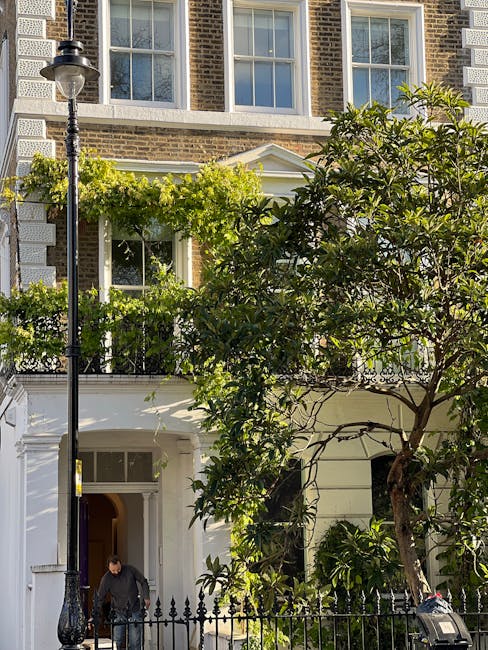
Regents Park garden maintenance for Marylebone Road homes: a practical local guide
If you live on or near Marylebone Road, you already know the challenge: the area is busy, the air carries more dust than you'd like, and a garden can look tired quickly if it is not looked after properly. Regents Park garden maintenance for Marylebone Road homes is not just about keeping things tidy; it is about preserving a private green space that still feels calm, welcoming, and worth stepping into at the end of the day. In a part of London where outdoor space is often limited, every square metre matters.
This guide breaks down what good maintenance actually involves, how it works in practice, who benefits most, and what to watch out for. Whether you have a small courtyard, a planted terrace, a shared communal garden, or a mature border that needs regular attention, the aim is the same: keep the garden healthy, safe, and presentable without it becoming another thing on your already-full list.
To make things easier, we also cover service options, sensible routines, common mistakes, and a few best-practice points that are easy to miss. Let's face it, a London garden can go from polished to messy faster than you'd expect, especially after one windy week.
Why Regents Park garden maintenance for Marylebone Road homes Matters
Gardens around Marylebone Road face a slightly different reality from suburban plots. Noise, traffic dust, shade from buildings, and limited access can all affect plant health and how often things need attention. A garden that looks fine in spring may start to feel scruffy by early summer if borders are not cut back, lawns are not regularly mown, and weeds are left to spread. It is a bit of a domino effect.
Good maintenance is not only cosmetic. It supports healthier soil, reduces pest and disease pressure, and helps you spot problems early. A weak shrub can be pruned before it collapses into a walkway. A lawn can be aerated before it turns patchy. A hedge can be trimmed before it begins to block light or feel unbalanced.
For homes near Regents Park, the visual standard matters too. Front gardens, courtyard spaces, and visible planting beds often contribute to the feel of the whole property. If the space is neat, layered, and seasonal, it lifts the home immediately. If it is neglected, even briefly, the whole entrance can feel a little flat. Nobody wants that first impression.
There is also a practical side to all this. Regular maintenance tends to be less disruptive than rescue work. It is easier, cheaper, and honestly less stressful to keep on top of growth than to tackle a garden that has been left alone for months. That is why many property owners choose an ongoing plan rather than occasional one-off tidy-ups.
How Regents Park garden maintenance for Marylebone Road homes Works
A solid garden maintenance visit usually starts with a quick assessment. What needs cutting back? Which plants are thriving? Is there standing water, compacted soil, or evidence of pests? In a tight city setting, that first look matters more than people think, because access, light levels, and seasonal exposure can vary quite a lot from one property to the next.
From there, the maintenance plan is shaped around the space. A small terrace may need light pruning, deadheading, weeding, container care, and debris removal. A larger garden might also need hedge trimming, lawn mowing, border reshaping, edging, and occasional clearance. If the garden includes trees or larger shrubs, the work can extend into more specialist tasks, such as careful reduction or removal when something has outgrown its place.
Many homeowners and landlords prefer a recurring schedule because it keeps growth manageable. Monthly visits work well for some gardens; others need fortnightly attention during the growing season. Winter, of course, is a different story. You may not need as much mowing, but there is still leaf clearance, structure checking, pruning, and general tidying. A garden never truly switches off. It just changes its behaviour.
Professional maintenance also includes the less glamorous jobs: checking for broken stems after wind, clearing paths, removing green waste, and making sure the final finish is neat. If you have ever spent twenty minutes raking a border only to discover it looks worse than before, you will understand why method matters. Careful sequence matters too.
Key Benefits and Practical Advantages
The obvious benefit is appearance, but the real value goes deeper than that. A maintained garden feels easier to use, easier to enjoy, and less overwhelming to manage. You are not constantly looking at what needs doing next. You just notice that it feels right.
- Healthier planting: Regular pruning, feeding, and weeding help plants stay in better condition.
- Improved safety: Clear paths, tidy edges, and controlled growth reduce trip hazards and awkward overhangs.
- Better light and space: Trimming back dense growth can make a small garden feel much larger.
- Lower long-term effort: Small, frequent tasks are easier than major seasonal recovery work.
- Stronger property presentation: Especially useful for rented homes, managed properties, and visible front gardens.
- Reduced waste build-up: Ongoing clearance prevents green debris from becoming a bigger job later.
There is also a psychological benefit that people often underestimate. A well-kept garden encourages you to use it. You sit outside with a coffee. You open a window and feel less hemmed in. Even a modest patch of greenery can make a busy London home feel more liveable. That sounds a touch simple, but it is true.
If you are comparing service options, a broader services overview can help you understand what can be combined in a single visit, while dedicated tasks such as lawn mowing or hedge trimming are useful when one area needs particular attention.
Who This Is For and When It Makes Sense
This kind of maintenance is useful for a surprisingly wide range of people. It is not just for large gardens or high-end properties. In fact, smaller gardens often need it even more because clutter shows faster and there is less room for growth to be messy.
- Homeowners who want the garden to stay neat without spending every weekend on it.
- Landlords who need outdoor areas to stay presentable between tenancies or inspections.
- Busy professionals who simply do not have the time or tools to maintain plants properly.
- Older residents who prefer safe, reliable help with heavier or repetitive tasks.
- Property managers overseeing shared or visible garden spaces.
- People preparing to sell or let a home and wanting the outside to match the interior standard.
It makes sense to book maintenance when the garden starts to show one or more of these signs: weeds returning quickly, lawn edges slipping, hedges losing shape, paths becoming slippery with debris, or plants looking crowded and tired. If you are finding yourself saying "I'll sort it next weekend" for the third weekend in a row, that is usually the clue.
For overgrown sites, a reset first can help. In those cases, garden clearance may be the right starting point before routine maintenance takes over.
Step-by-Step Guidance
If you want to understand how a good maintenance process should feel, here is the practical sequence most well-run gardens follow. It does not need to be dramatic. In fact, the calmer the process, the better.
- Inspect the space
Look at the whole garden first. Note weak growth, weeds, blocked drainage, broken branches, and seasonal changes. - Set priorities
Decide what must happen now and what can wait. Some jobs are cosmetic, others affect plant health or safety. - Clear debris and waste
Leaves, litter, twigs, and cuttings are removed before detailed work begins. - Cut back and shape growth
Hedges, shrubs, and climbers are trimmed carefully so the garden keeps structure without becoming over-thinned. - Tend the lawn and borders
Mowing, edging, weeding, and minor border adjustments keep the garden balanced. - Check plants for stress
Look for signs of dryness, disease, compaction, or pest activity. - Finish with a clean sweep
The final look matters. Paths, steps, and visible areas should be left tidy and safe.
One useful habit is to work from the top down. Clear higher growth first, then hedges and shrubs, then borders, then the lawn. Otherwise, you end up mowing twice or sweeping the same leaves three times. Not ideal, and a little annoying, frankly.
If your garden includes more structural features such as paving, retaining walls, or raised timber areas, it can be worth looking at landscaping or even decking services if part of the maintenance issue is worn-out hard landscaping rather than planting alone.
Expert Tips for Better Results
A few small habits make a very noticeable difference. The first is consistency. Frequent light maintenance nearly always produces better results than occasional heavy intervention. Plants respond better, lawns look steadier, and the whole garden feels more settled.
Second, think about light and airflow. In London gardens, especially those with walls, fences, and taller neighbouring buildings, the temptation is to let plants bulk up for privacy. That is understandable. But dense growth can trap moisture and shade out weaker plants. A careful trim often gives you privacy without the soggy, crowded look.
Third, do not treat every plant the same. A clipped hedge, a flowering shrub, and a climbing plant all need different timing and technique. If they are cut in the wrong season, you may lose blooms or stress the plant. This is where real experience matters. A tidy cut is not always the right cut.
A few more practical points:
- Mulch bare soil where appropriate to reduce weed growth and keep moisture in.
- Water deeply but less often, rather than frequent shallow watering.
- Use edging to create visual order in small gardens.
- Keep an eye on containers, which dry out faster than in-ground beds.
- Schedule a slightly more thorough tidy before and after peak growing season.
If trees are casting too much shade or dropping debris constantly, it may be time to consider tree lopping and removal as part of a wider plan, always handled carefully and appropriately.
Common Mistakes to Avoid
One of the biggest mistakes is waiting until the garden looks bad before taking action. By then, the job usually takes longer and costs more effort. A small amount of growth can be maintained. A full seasonal collapse is more of a recovery project.
Another common issue is over-pruning. It is tempting to hack back a hedge or shrub because the result looks dramatic and tidy straight away, but too much cutting can leave gaps, weak regrowth, or sun scorch. It is one of those things that can look satisfying in the moment and regrettable three weeks later.
People also forget about waste. Green waste pile-ups can make a garden look untidy even after the main work is done. Clearing and disposing of debris properly is part of the job, not an optional extra.
Other mistakes include:
- using the wrong tool for the job;
- mowing too short during dry weather;
- ignoring blocked drains or puddling areas;
- letting climbers take over windows, gutters, or fencing;
- forgetting that different seasons require different tasks;
- trying to manage a full garden reset without a plan.
Truth be told, a lot of garden trouble comes from small delays rather than big disasters. A missed week here, a skipped prune there, and suddenly the place feels like it is arguing back.
Tools, Resources and Recommendations
You do not need a van full of specialist kit to maintain a typical city garden, but the right tools make the work cleaner and safer. For home use, a basic set often includes secateurs, loppers, a rake, a hose or watering can, a mower if you have lawn space, edging tools, gloves, and a sturdy bag or bin for waste.
For more detailed work, professionals may use longer-reach tools, more controlled cutting equipment, and plant-safe methods for shaping and clearance. The point is not to make the job look dramatic. The point is to make it accurate.
Useful service pages to consider, depending on what your garden needs most, include garden maintenance for ongoing care and recycling and sustainability if you want to understand how green waste and material reuse are handled responsibly.
Here is a simple way to think about tools and approaches:
| Task | Best approach | Why it helps |
|---|---|---|
| Lawn care | Regular mowing and edging | Keeps growth even and prevents rough edges |
| Hedges and shrubs | Measured trimming | Maintains shape without overcutting |
| Overgrown areas | Clearance before routine care | Makes the site manageable again |
| Debris and waste | Removal after each visit | Leaves the garden clean and usable |
If you are comparing providers, it is sensible to check pricing and quotes early so you can match the work to your budget, not the other way round.
Law, Compliance, Standards, or Best Practice
For most domestic gardens, there is no complicated legal framework sitting over every pruning decision. Still, there are good practices worth following. Waste should be handled responsibly, tools should be used safely, and work near walls, fences, shared access routes, or neighbouring properties should be planned with care. That is just common sense, really, but common sense is often what saves time and trouble.
If work involves larger trees, higher hedges, or access near boundaries, it should be done carefully and with proper attention to safety. For homes in a shared building or managed block, it is also sensible to coordinate timing so residents are not caught out by noise, debris, or blocked access. A bit of courtesy goes a long way in a dense London street.
Good providers should also have clear processes around safety, insurance, and complaint handling. You can review the company's insurance and safety approach, along with its health and safety policy and complaints procedure, to understand how seriously these matters are treated. That kind of transparency matters, especially when work is carried out at a private home.
If privacy, data handling, or payment concerns are on your mind, the policy pages can also help set expectations before you book. It is not glamorous reading, admittedly, but it does build trust.
Options, Methods, or Comparison Table
Not every garden needs the same kind of upkeep. Some benefit from simple recurring maintenance, while others need a one-off reset first. Choosing the right method saves money and avoids unnecessary work.
| Approach | Best for | Pros | Watch-outs |
|---|---|---|---|
| Routine maintenance | Gardens already in decent condition | Predictable, tidy, easier to budget for | Does not solve major overgrowth on its own |
| Seasonal maintenance | Properties that need spring and autumn attention | Good balance of cost and results | Can feel patchy if the garden grows quickly in between |
| One-off garden clearance | Neglected or overgrown gardens | Restores order fast | Needs follow-up care to stay neat |
| Combined maintenance and landscaping | Gardens needing both upkeep and structural improvements | More efficient for bigger changes | May take more planning up front |
In many Marylebone Road homes, the best answer is a combination: a clearance to get things back under control, followed by regular maintenance to keep the standard high. That tends to work well because it respects both the reality of busy urban living and the needs of the garden itself.
Case Study or Real-World Example
Here is a realistic example, without dressing it up too much. A homeowner near Marylebone Road had a compact rear garden with a narrow lawn, three shrub borders, and one mature climbing plant that had begun creeping across a fence. The space had not been neglected for years, but life had got busy. A few skipped weekends turned into a few skipped months.
When the garden was assessed, the main issues were obvious: the lawn had become uneven, the borders were full of weeds, the hedge line had drifted, and there was a decent amount of cutback work needed to let light back into the middle of the space. The solution was not a full redesign. It was practical maintenance with a clear sequence: clearance, selective pruning, lawn work, edge definition, and a final tidy.
The difference was immediate. The space felt bigger, the path was easier to use, and the planting could actually breathe again. The homeowner did not suddenly have a "new" garden. That was not the point. They had a garden that felt usable again, which is usually what people really want. Simple enough, but powerful.
That same approach is often the smartest one for city gardens: restore first, maintain second, then keep the rhythm going.
Practical Checklist
Use this checklist if you are planning Regents Park garden maintenance for Marylebone Road homes and want to stay organised.
- Check which areas need the most urgent attention.
- Decide whether you need clearance, routine maintenance, or both.
- Identify lawns, hedges, shrubs, climbers, and borders separately.
- Look for safety issues such as broken branches or slippery surfaces.
- Confirm how green waste will be removed.
- Ask whether the work will be one-off or recurring.
- Review any access needs, keys, parking, or timing constraints.
- Note whether the garden has shade, dry spots, or drainage problems.
- Make sure boundary lines and shared areas are respected.
- Keep a simple seasonal plan so the garden does not slide backwards.
Expert summary: the best garden maintenance plans in this part of London are usually the ones that are consistent, carefully timed, and tailored to the site rather than copied from a generic checklist. Small gardens need precision; larger gardens need rhythm. Both need attention, just in different ways.
Get a free quote today and see how much you can save.
Conclusion
Regents Park garden maintenance for Marylebone Road homes is really about protecting the quality of a valuable outdoor space. A good garden does more than look nice. It gives you breathing room in a crowded city, supports healthier planting, and reduces the stress of constant catch-up jobs. Whether your space is formal, compact, leafy, or simple, the right maintenance keeps it working properly.
The best results come from a steady approach: clear what is in the way, shape growth carefully, keep waste under control, and return regularly enough that the garden never gets away from you. If you do that, the space stays usable, welcoming, and much easier to live with. And honestly, that is what most people want from a garden in London - not perfection, just calm, order, and a bit of green that feels looked after.
When the light hits the leaves in the late afternoon and the garden looks quietly settled, you will be glad you stayed on top of it. Small effort, good reward. That's the lovely part.
Frequently Asked Questions
What does garden maintenance usually include for Marylebone Road homes?
It usually includes lawn mowing, hedge trimming, weeding, pruning, border tidying, leaf clearance, and the removal of green waste. The exact mix depends on the size and style of the garden.
How often should a city garden near Regents Park be maintained?
Many gardens benefit from fortnightly or monthly visits during the growing season, then less frequent but still regular care in colder months. Fast-growing plants or lawns may need more attention.
Is one-off clearance enough, or do I need ongoing maintenance?
If the garden is overgrown, a one-off clearance is often the right first step. But if you want the space to stay neat, ongoing maintenance is usually the better long-term answer.
Can small courtyard gardens really benefit from professional maintenance?
Yes, often more than larger spaces. Small gardens show clutter quickly, and precise care can make a big difference to how spacious and calm they feel.
What is the difference between garden maintenance and landscaping?
Garden maintenance keeps an existing space in good condition. Landscaping changes the structure, layout, or features of the garden. They can work together, but they are not the same thing.
What should I ask before booking a maintenance visit?
Ask what tasks are included, how often visits are recommended, whether waste removal is covered, and whether the team has appropriate insurance and safety procedures.
Will maintenance help if my garden is shaded or dry?
Yes, though the care plan may need to be adapted. Shaded gardens often need different pruning and planting choices, while dry spots may need improved watering and mulching.
Do I need to be home during the work?
Not always. Many people prefer to provide access and then return to a finished garden. It depends on the property, the access arrangements, and your comfort level.
How do I know if my hedge or shrubs are overdue for trimming?
If they are blocking paths, losing shape, getting too dense, or starting to crowd other plants, they probably need attention. A hedge that is shedding leaves or looking patchy can also be a sign it is overdue.
What happens to the waste after the garden is maintained?
Green waste should be collected and handled responsibly. Good maintenance work finishes with the site clean, not with piles of cuttings left behind.
Can I combine maintenance with tree or hedge work?
Yes, and that often makes the job more efficient. If a tree is causing shade or dropping debris, or if hedges need a proper reset, combining tasks can be sensible.
How do I choose between different service options?
Start with the state of the garden. If it is already fairly tidy, routine maintenance may be enough. If it has become overgrown, clearance first is usually the smarter move. If you are unsure, a simple assessment is the best place to begin.
To learn more about the company behind these services, you can also visit the about us page or explore the full services overview. For direct help, the contact us page is there when you are ready.